
THE MORGAN MIDSUMMER COUPÉ
A PIECE OF SCULPTURE THAT ACTUALLY DRIVES
MORGAN
Technical specification
VEHICULE :
Morgan MIDSUMMER COUPÉ
POWERPLAN :
in-line 6 RWD
THE NUMBERS:
400 hp / 9 will be made
IN SHORT :
I have a confession to make. When the press release for the Morgan Midsummer Coupé hit my inbox, I didn't skim it. I didn't pass it off to the data-crunchers or the electric-vehicle fanboys in the office. I sat there, in the quiet of my barn, staring at the photographs of the "artists’ proof" prototype until my coffee went cold.
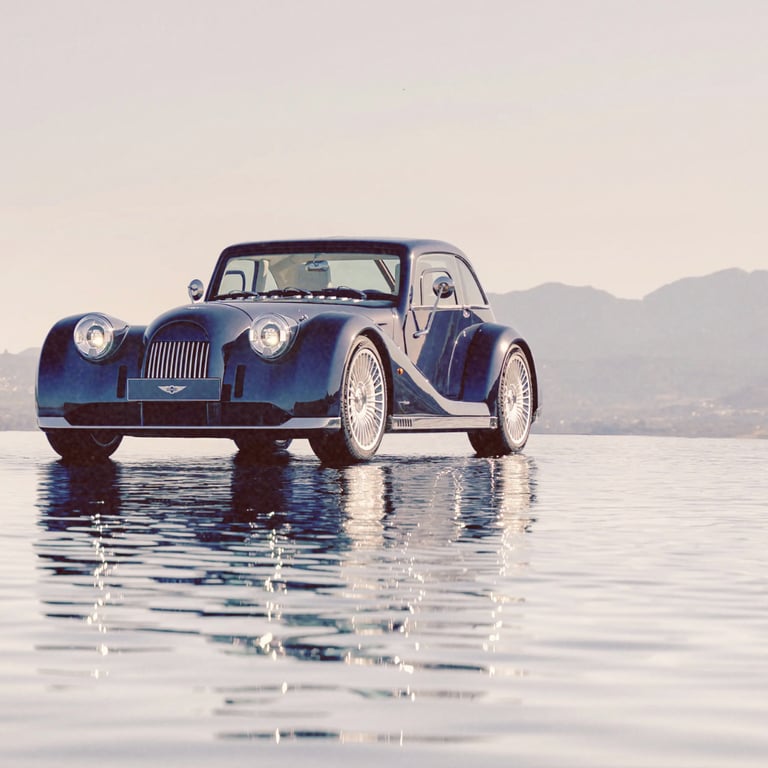
We live in a world of algorithmic car design—cars that are wind-tunnel tested to the point of blandness, built on modular platforms by robots that have never seen a sunset. And then, there’s this. Nine commissions. Hand-formed aluminium. A structural ash wood frame. It’s an act of beautiful, glorious rebellion from Pickersleigh Road.
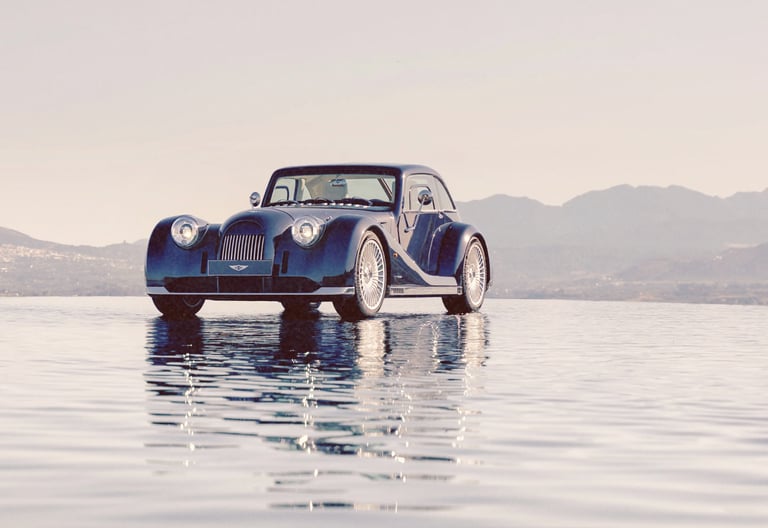
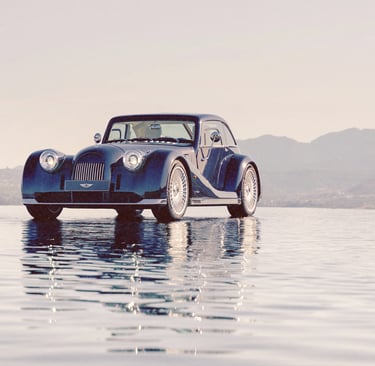
Morgan didn’t just slap a lid on the existing Midsummer barchetta. They went back to the drawing board to build an entirely new structural architecture. They’ve got billet-machined aluminium A-pillars and bonded glazing, where the glass itself is a load-bearing element of the chassis. It’s the kind of high-stakes engineering that makes you realize that when you strip away the corporate bloat, you’re left with people who actually care about the integrity of the machine. Despite this massive structural overhaul, it weighs barely 2.5% more than a Supersport hardtop. That’s not engineering; that’s sorcery.
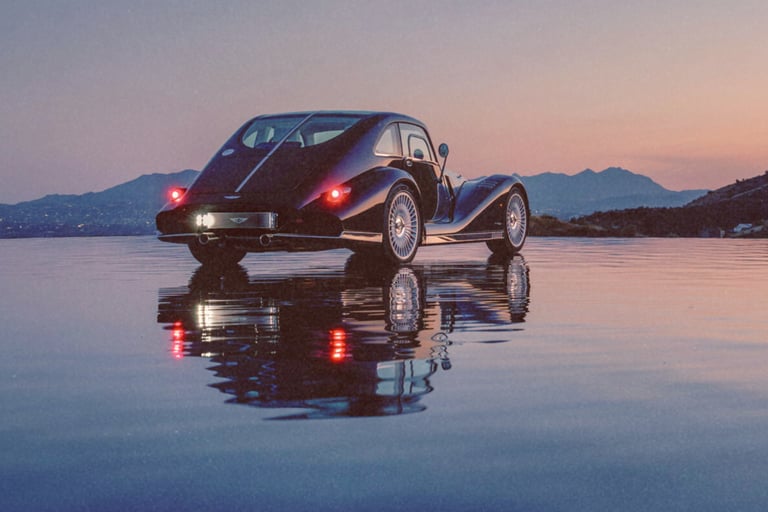
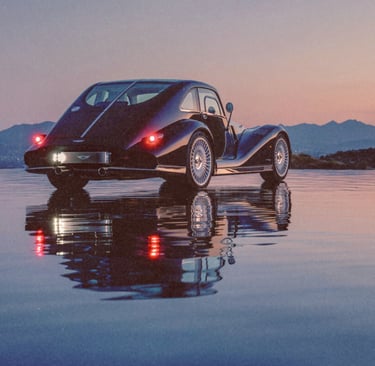
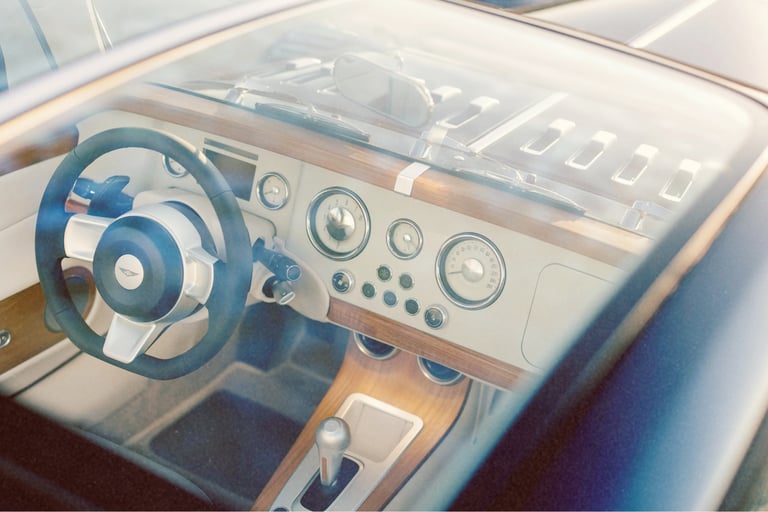
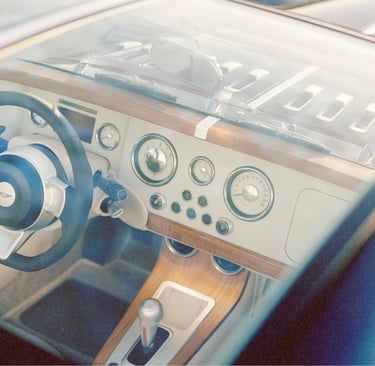
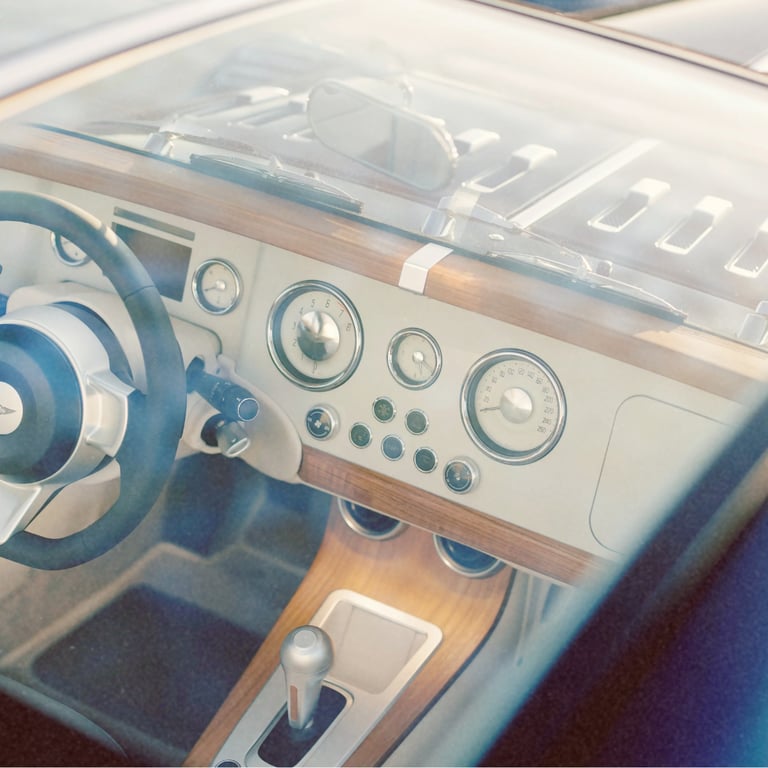
But the real triumph here is the material palette. The interior isn’t filled with the usual "piano black" plastic that shows every fingerprint. It’s teak. Beautiful, warm, grain-rich teak, used not just as trim, but as a structural aesthetic that anchors the entire cockpit. They’ve even put the window switches up in the roof structure, mounted on a solid aluminium rail that spans the width of the cabin. It’s tactile, it’s precise, and it feels like it was designed by someone who actually likes to touch their car.
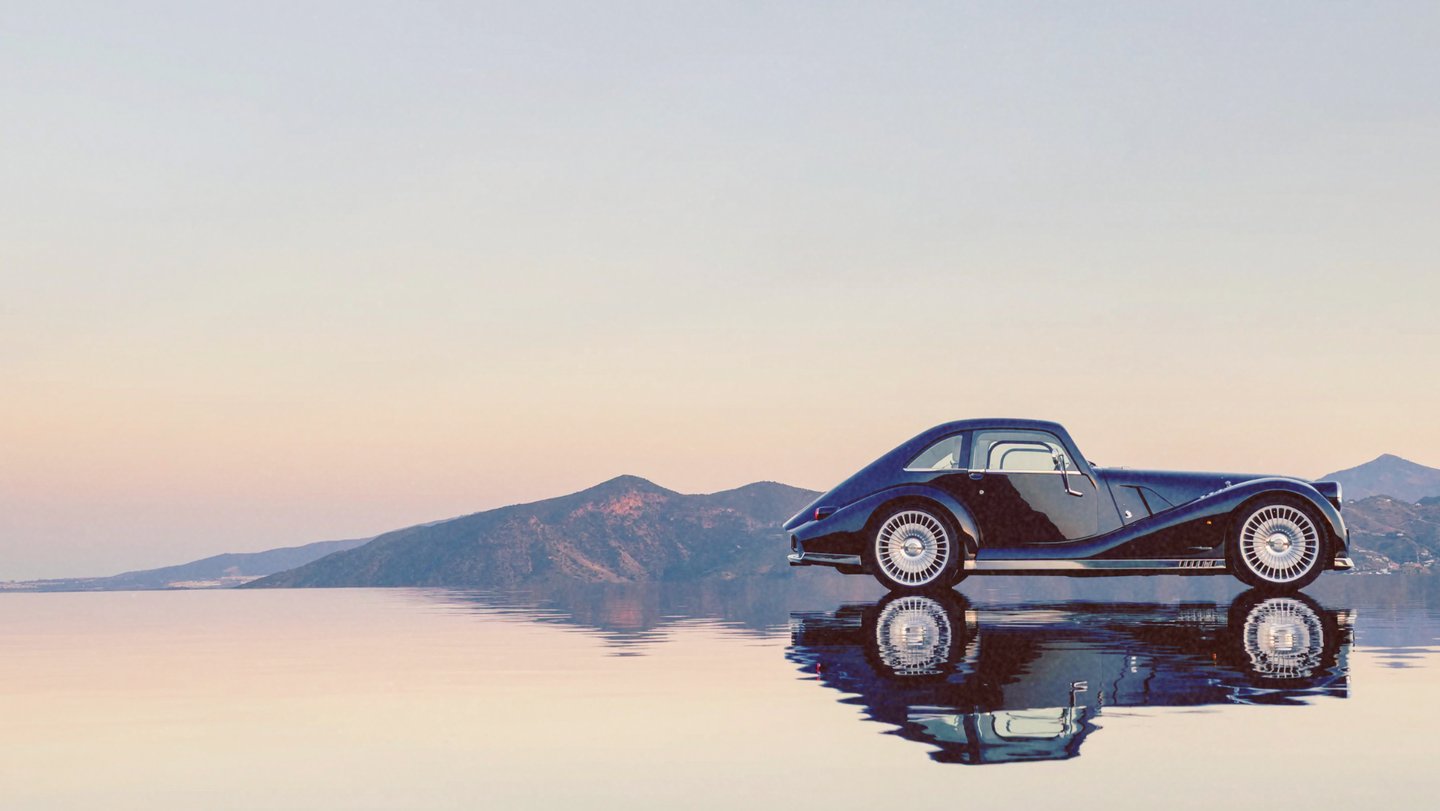
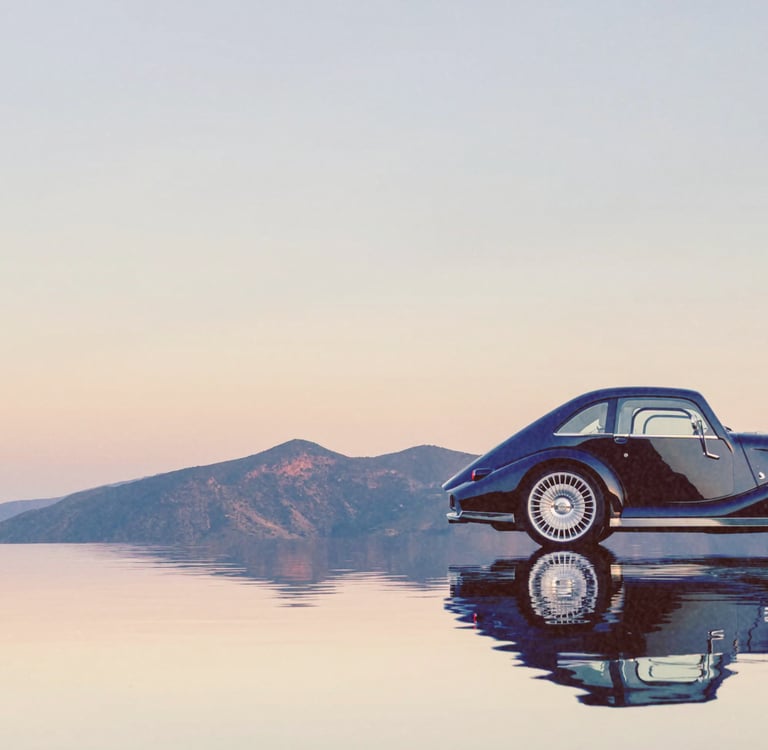
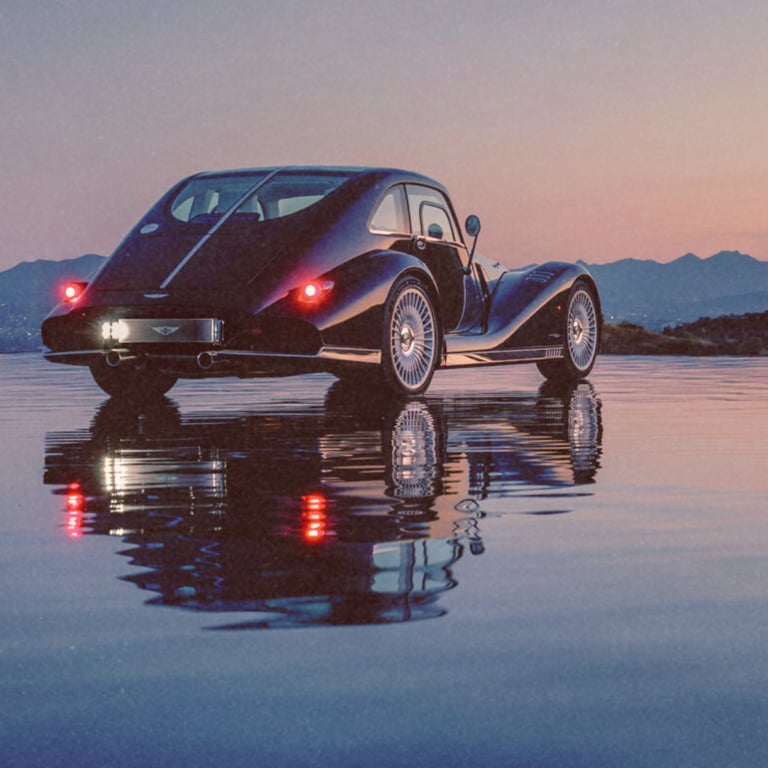
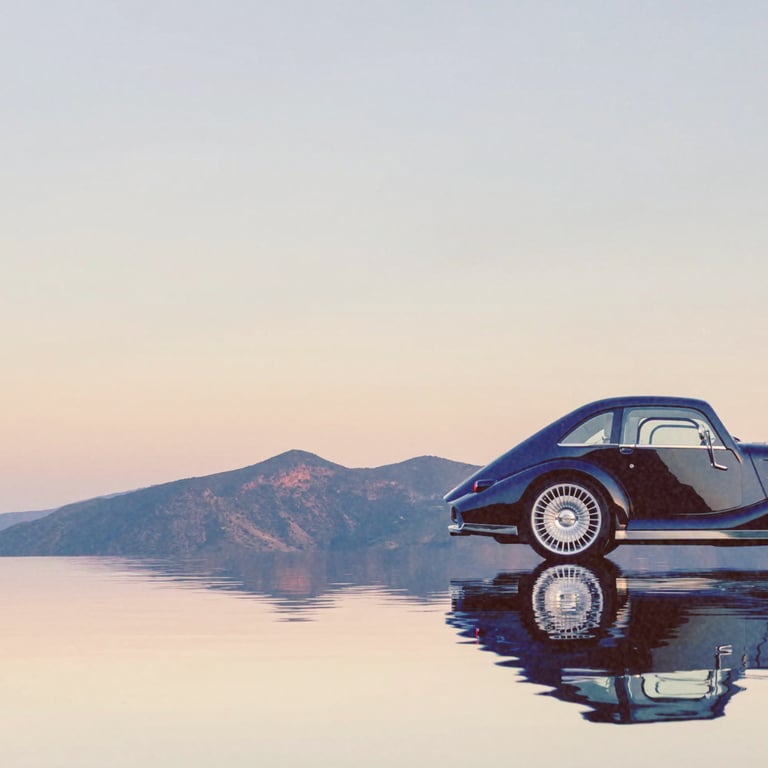
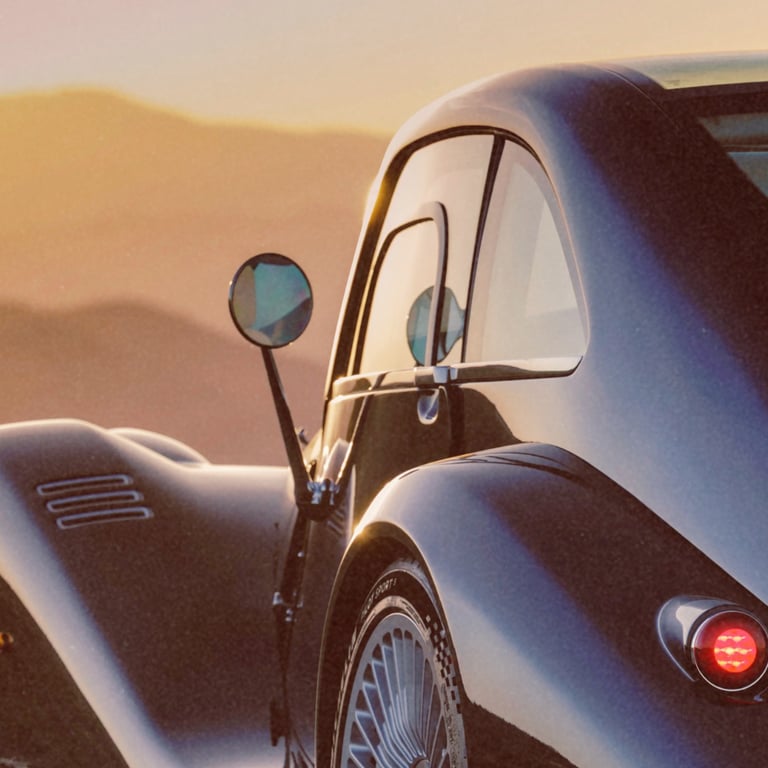
I’m particularly fascinated by the roofline. They’ve managed to create a "visual tension" where the glass canopy flows seamlessly into the rear bodywork. It creates this sense of motion that’s missing from so many modern coupés. It’s elegant, it’s purposeful, and it looks like it belongs on a vintage grand tourer that’s been reimagined by a team that spent a little too much time studying Italian design principles with Pininfarina. The collaboration with the Italians is evident here; there’s a sophisticated, sharpened geometry that you don't always see in British coachbuilding.
Is it a "practical" car? Who cares? If you’re asking about luggage capacity or infotainment latency, you’re missing the point entirely. This is a car for the person who wants to be reminded of what a machine feels like when a human being has put five hundred hours of effort into the surface quality. It’s the antithesis of the "disposable" fleet.
Is it a "practical" car? Who cares? If you’re asking about luggage capacity or infotainment latency, you’re missing the point entirely. This is a car for the person who wants to be reminded of what a machine feels like when a human being has put five hundred hours of effort into the surface quality. It’s the antithesis of the "disposable" fleet.
There’s a fragility to projects like this. They exist because someone had a "single conversation" that turned into a work of art. These nine owners aren't just buying a vehicle; they’re buying a seat at the table of traditional coachbuilding. And the prototype? It’s heading to the Louwman Collection. That’s exactly where it belongs.
I’m genuinely envious of the lucky nine. They’ll be driving around in something that, in fifty years, will be the car that people stop dead in their tracks to stare at. In an age of silent, uninspiring transit, Morgan is still building dreams out of wood, metal, and sheer audacity.
Keep the shiny side up.
JIM KHANA
The auto
brief
Modern Speed. Analog Soul. Tracking the future of mobility through the lens of heritage.
Subscribe on Spotify, Apple, or via RSS.
Info@theautobrief.news
© 2026. All rights reserved. TECH ART CREATIONS KLG
We may earn a commission for purchases made through our links.
"All product and company names, logos, and trademarks mentioned or displayed here are the property of their respective owners. The use of these logos does not imply endorsement, affiliation, or sponsorship. No copyright infringement is intended.
Images or media on this page are used for descriptive, educational, or commentary purposes. We do not claim ownership of these photos, and rights remain with the original creators. If you own the rights to any material and wish for it to be removed, please contact us